
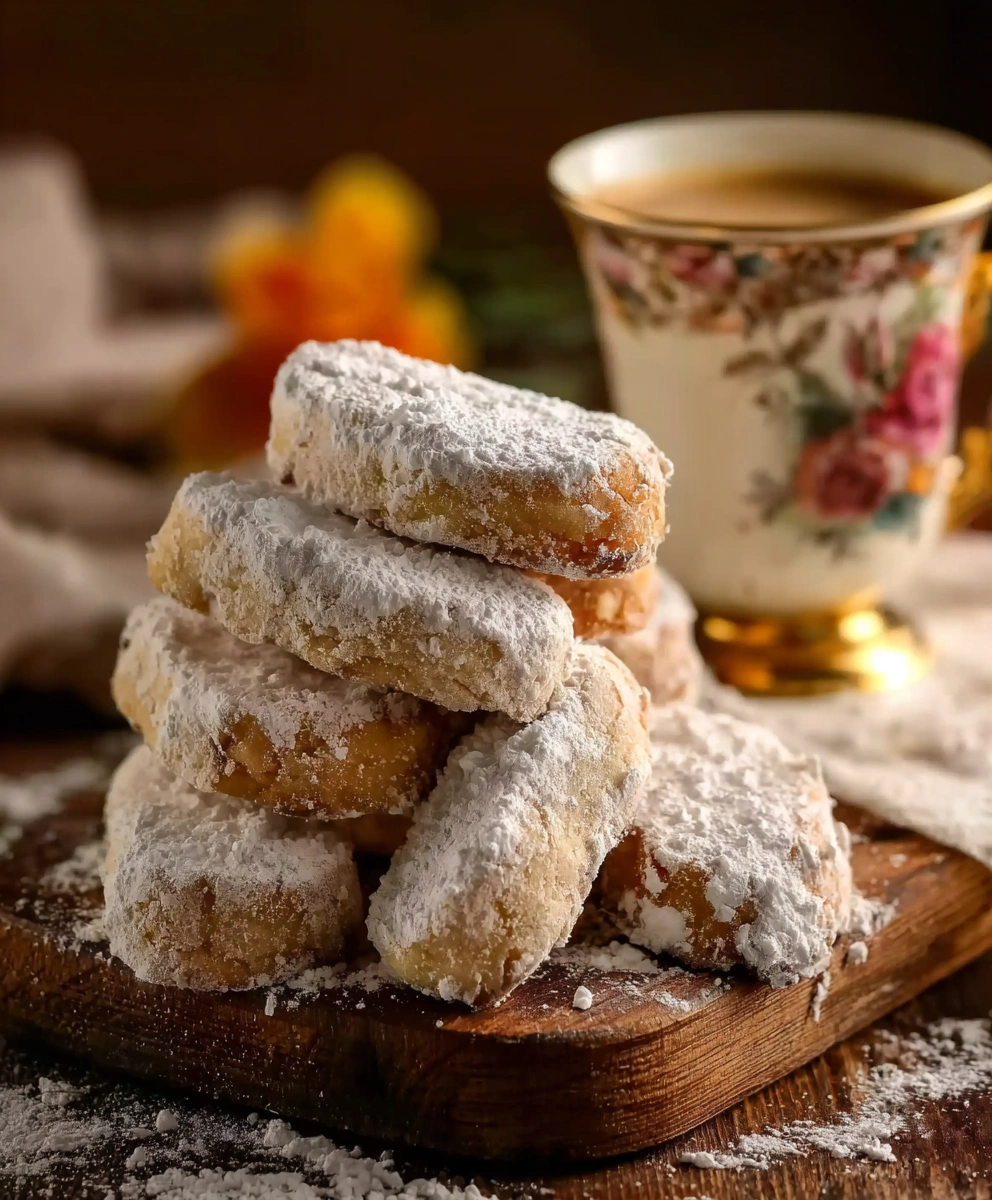
When most people think of Spanish desserts, they imagine classics like turrón, flan, or marzipan. But deep in the south of Spain, especially in Andalusia, there exists a historic and culturally rich sweet that deserves the spotlight: Andalusian Alfajores. These honey-based, spiced nut confections are among the oldest traditional sweets in Spain, tracing their origins back to the Moorish presence in al-Andalus more than a thousand years ago.
Unlike the modern alfajores found in Latin America—which are sandwich cookies filled with dulce de leche—authentic Andalusian alfajores are small, cylindrical treats made from nuts, breadcrumbs, spices, and honey, then coated in syrup and powdered sugar. Their unique texture, warm spices, and deep cultural history make them one of the most cherished traditional sweets in southern Spain.
What Makes Andalusian Alfajores Special?
Authentic Andalusian alfajores are known for their distinctive ingredients and rich, aromatic flavor. The recipe combines simple Mediterranean staples with spices introduced centuries ago through cultural exchange. The result is a sweet that is both rustic and refined, humble yet deeply flavorful.
Key Ingredients Traditionally Used
- Almonds
- Hazelnuts
- Honey
- Breadcrumbs
- All-purpose flour
- Sesame seeds
- Cinnamon
- Coriander
- Cloves
- Salt
- Powdered sugar
- Sugar and water (for the syrup coating)
Each ingredient plays an essential role: honey provides natural sweetness and texture, nuts give body and rich flavor, and spices create a warm, festive aroma associated with Andalusian desserts for centuries.
How to Make Authentic Andalusian Alfajores
The preparation method follows traditional steps that have remained largely unchanged through generations. Here is a narrative version of the process inspired by authentic Andalusian recipes:
1. Toast the Nuts
Almonds and hazelnuts are lightly toasted until golden and aromatic. This step intensifies their flavor and brings out their natural oils.
2. Grind the Nuts
Once cooled, the nuts are ground into a coarse meal. They should remain slightly textured—not turned into paste.
3. Combine the Dry Ingredients
Ground nuts, breadcrumbs, sesame seeds, flour, cinnamon, coriander, cloves, and a pinch of salt are mixed together. This dry base forms the structure of the alfajores.
4. Heat the Honey
Honey is warmed in a pot until it begins to boil gently. It acts as the binding agent and creates the chewy, dense texture of the final sweet.
5. Form the Dough
The dry ingredients are stirred into the hot honey and mixed until fully combined. The mixture is then spread on parchment paper to cool slightly.
6. Shape the Alfajores
Once the dough is warm but workable, it is divided into small portions. Each piece is rolled into a compact cylinder about 2 to 3 inches long. Traditionally, alfajores are shaped by hand to preserve their artisanal feel.
7. Prepare the Sugar Syrup
A simple syrup made from sugar and water is boiled until slightly thickened, then allowed to cool just enough for dipping.
8. Coat the Alfajores
Each shaped cylinder is dipped in the syrup, then rolled in powdered sugar. This creates the signature white, slightly crunchy exterior.
9. Let Them Set
The alfajores are placed on parchment paper and left to dry for several hours—preferably overnight—so the sugary coating hardens and the flavors develop fully.
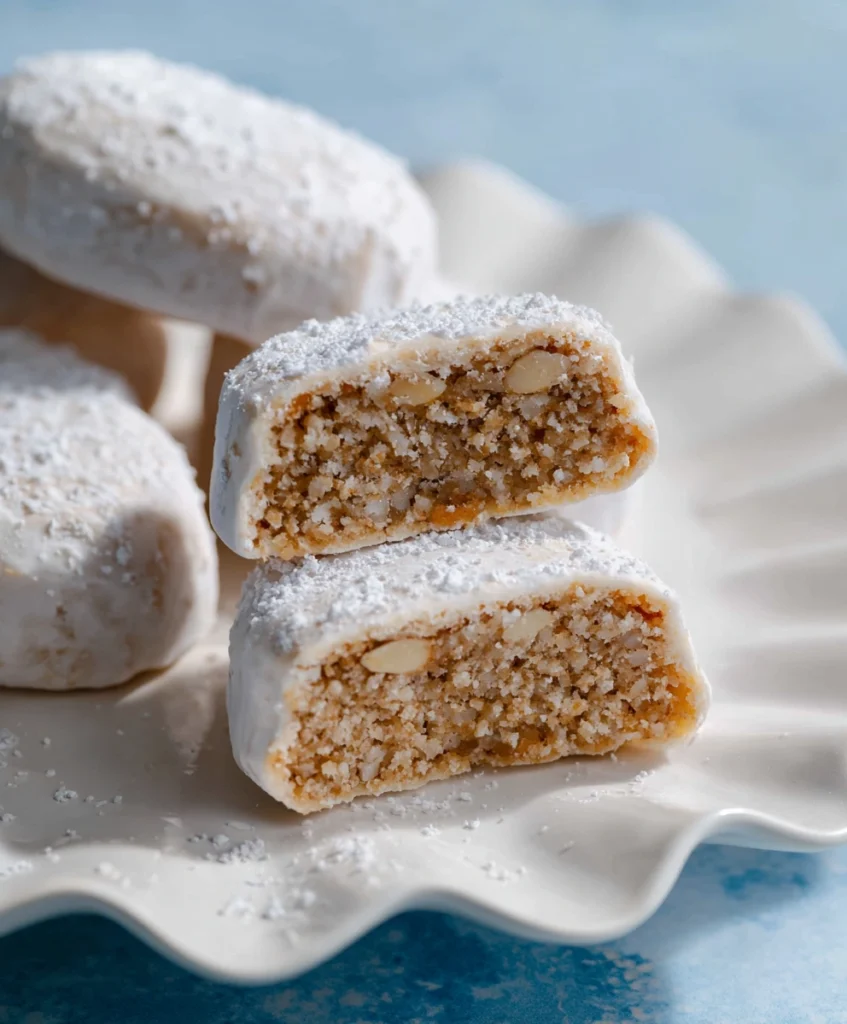
The final texture is incredible: a slightly firm, sugary exterior protecting a chewy, honey-rich interior full of aromatic spices and toasted nuts.
A Sweet Rooted in History
The word “alfajor” originally comes from the Arabic term al-hasú, meaning “the filling,” a reminder of the Moorish influence on Andalusian cuisine. For centuries, these sweets were prepared in homes and convents across southern Spain, especially during holidays and celebrations.
One of the most famous regions for traditional alfajores is the town of Medina Sidonia, where the recipe has been preserved with remarkable authenticity. Local artisans continue to produce them using age-old methods, keeping the heritage alive.
These original Andalusian alfajores are also considered the ancestors of the filled cookie versions that later developed across Latin America.
When to Enjoy Andalusian Alfajores
Traditionally, they are enjoyed:
- During Christmas and winter festivities
- As gifts wrapped in parchment or decorative boxes
- With tea, strong coffee, or mint herbal infusions
- As part of Andalusian celebrations and family gatherings
Because they store well and improve in flavor over time, they make an excellent homemade gift or festive treat.
Why This Traditional Recipe Endures
Authentic Andalusian alfajores represent more than a recipe—they tell a story of cultural heritage, craftsmanship, and natural ingredients. Made without artificial flavors or modern shortcuts, they deliver a unique sensory experience:
- Warm, aromatic spices
- Smooth honey sweetness
- Nutty richness
- Rustic yet elegant texture
They are a perfect reminder that some of the best desserts come from simple ingredients and centuries of tradition.