

There is something special about walking into a home that smells fresh, clean, and inviting. The good news is that you don’t need expensive fragrances or luxury candles to achieve it. If you’ve been wondering how to make your house smell amazing, the secret is surprisingly simple: remove the sources of unpleasant odors first, then add subtle layers of fragrance throughout your home.
Everyday activities such as cooking, laundry, pets, damp towels, shoes, carpets, and trash can gradually affect the way a house smells. Instead of covering those odors with a strong air freshener, creating a genuinely fresh home starts with cleaning and ventilation. Once your space is fresh, natural scents such as citrus, herbs, flowers, and gentle home fragrances can make it even more inviting.
Here are 15 easy ways to make your house smell amazing all day long.
Table of Contents
1. Open the Windows and Let Fresh Air In
Sometimes the easiest solution is also one of the most effective.Open several windows for a short period, particularly in the morning, to encourage fresh air to move through the house. Stale indoor air can hold onto cooking smells, humidity, and other everyday odors. For better airflow, open windows on opposite sides of the home when possible. Even a short period of ventilation can make rooms feel noticeably fresher. This is especially helpful after cooking, cleaning, showering, or having several guests in the house.

Quick tip: Make opening your bedroom and living-room windows part of your morning routine when outdoor conditions allow.
2. Find the Source of Bad Odors Before Adding Fragrance
One of the biggest mistakes people make when trying to make their home smell better is immediately reaching for room spray. Fragrance may temporarily cover an unpleasant smell, but it won’t solve its source. Check the places where odors commonly develop:
- Trash cans
- Dirty laundry
- Damp towels
- Pet bedding
- Carpets and rugs
- Shoes
- Refrigerator
- Sink and drains
- Upholstered furniture
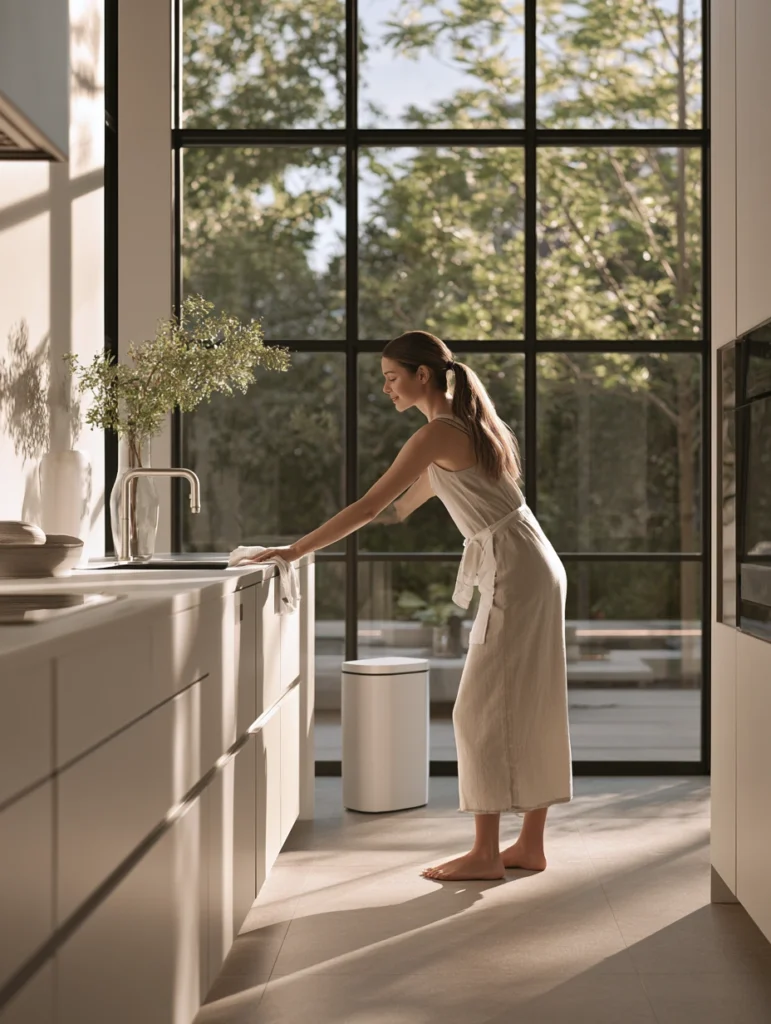
Cleaning these areas first gives you a neutral base before introducing your favorite home fragrance. Cleaning experts similarly recommend identifying and eliminating the source of an odor rather than simply masking it.
3. Refresh Carpets and Rugs With Baking Soda
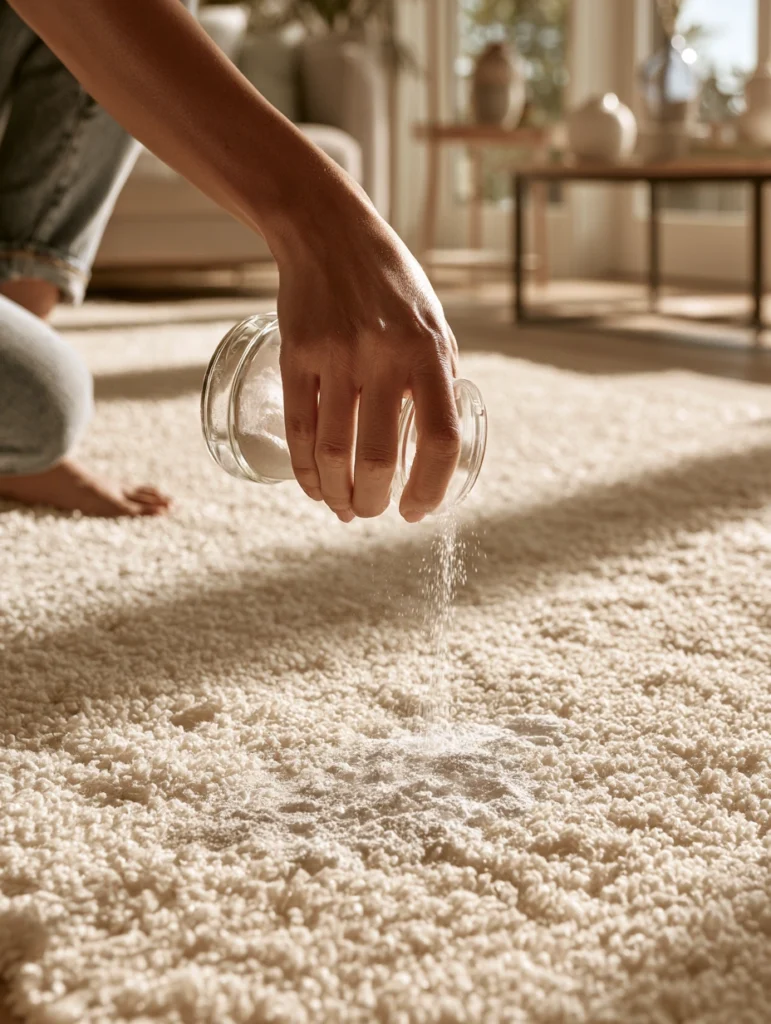
Carpets, area rugs, mattresses, and other soft surfaces can trap odors surprisingly easily. A simple solution is baking soda. Sprinkle a light, even layer of baking soda over your carpet or rug. Allow it to sit before thoroughly vacuuming it away. Good Housekeeping recommends this approach for carpets and notes that it can also be useful for surfaces such as pet beds and mattresses. Don’t forget that regular vacuuming matters too. Dust, crumbs, pet hair, and other particles trapped in carpet fibers can contribute to a room feeling less fresh.
4. Create a Citrus and Cinnamon Simmer Pot
If you want your home to smell cozy without relying entirely on commercial sprays, try a homemade simmer pot. Fill a saucepan with water and add fragrant ingredients such as:
- Orange slices
- Lemon peels
- Cinnamon sticks
- Rosemary
- Mint
- Cloves

Let everything simmer gently on the stove, adding more water whenever necessary and never leaving the pot unattended. As the ingredients warm, their aroma spreads through the kitchen and nearby rooms. Simmering citrus and herbs is also recommended as a simple home-fragrance technique by Good Housekeeping. For fall, try orange, apple, cinnamon, and cloves. During spring and summer, lemon with rosemary or mint creates a lighter scent.
5. Keep Your Trash Can Fresh
Even in an immaculate kitchen, the trash can can quickly become the source of an unpleasant smell. Empty it regularly and clean the inside, lid, rim, and surrounding area instead of simply replacing the bag. Another easy trick is to use a little baking soda to help manage odors. Good Housekeeping suggests placing baking soda in the trash can when replacing the liner or adding some as trash accumulates. Most importantly, don’t allow food waste to sit for too long, particularly during warm weather.
6. Bring Fresh Flowers Into Your Home
Fresh flowers aren’t just beautiful—they can contribute a subtle natural fragrance to a room. Consider fragrant varieties such as roses, lavender, jasmine, or other flowers you enjoy. Place them near the entrance, on a coffee table, or on a kitchen island so their fragrance greets you as you move through your home. Remember to change the vase water regularly and remove fading flowers. Fresh flowers should make your space smell cleaner, not become another source of stale water or decaying plant material.

7. Wash Bedding, Towels, and Other Fabrics Regularly
Want to know one of the simplest secrets behind homes that always smell clean? Fresh fabrics. Sheets, pillowcases, blankets, towels, bath mats, cushion covers, and washable throws can absorb body oils, moisture, cooking odors, and everyday smells. Wash them according to their care instructions and make sure damp fabrics dry properly. Don’t forget decorative fabrics either. Curtains, upholstery, and rugs may need periodic cleaning because soft materials can hold onto odors over time. That fresh-laundry scent can make an entire bedroom feel cleaner without needing a strong fragrance.
8. Use Scented Candles Strategically
Candles can instantly change the atmosphere of a room, but more fragrance isn’t necessarily better. Instead of burning multiple competing scents at once, choose one fragrance family that complements the space. For example:
Living room: vanilla, sandalwood, amber, or soft woods
Bedroom: lavender, jasmine, linen, or bergamot
Kitchen: lemon, orange, herbs, or fresh fruit-inspired scents
Bathroom: eucalyptus or fresh citrus
Recent Real Simple guidance similarly recommends choosing scents according to the function of individual rooms—for example, lighter citrus and herbal scents for kitchens and relaxing notes such as lavender or bergamot for bedrooms. Always burn candles according to the manufacturer’s safety instructions and never leave a burning candle unattended.
9. Try a Reed Diffuser for Continuous Fragrance
If you prefer a fragrance that doesn’t require a flame, a reed diffuser can be a convenient choice. Reed diffusers slowly release fragrance and work particularly well in smaller spaces such as:
- Entryways
- Bathrooms
- Guest bedrooms
- Home offices
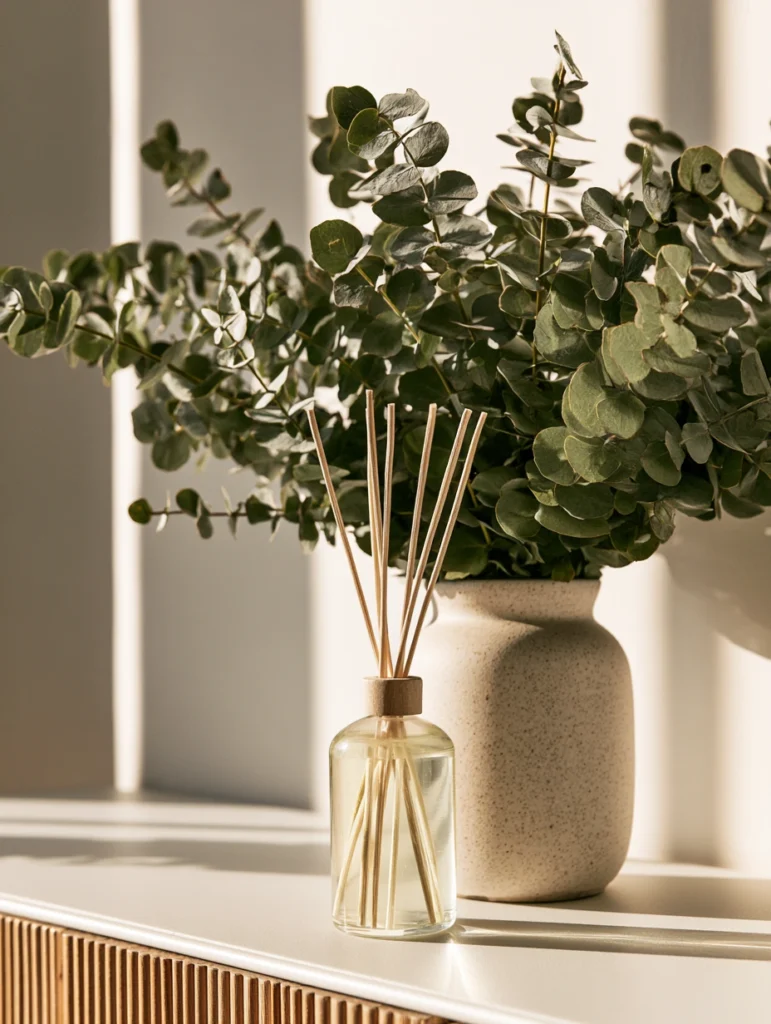
Choose a fragrance you won’t become tired of quickly. Clean, subtle scents often work better for everyday use than extremely sweet or overpowering ones. The goal should be for someone to walk into the room and notice that it smells pleasant—not immediately wonder where the air freshener is.
10. Give Your Kitchen Sink and Drain Some Attention
If your kitchen still smells strange after you’ve taken out the trash, check the sink area. Food particles and residue around drains or garbage-disposal components can create persistent odors. Clean the sink thoroughly and pay attention to removable strainers and other areas where food debris can accumulate. If you have a garbage disposal, follow the manufacturer’s cleaning instructions. Good Housekeeping specifically identifies the garbage disposal as a potential source of stale kitchen odors and recommends cleaning areas where debris can become trapped. A fresh kitchen begins with eliminating these hidden odor sources.
11. Keep Your Refrigerator Clean and Fresh
A refrigerator can quietly become one of the biggest odor sources in your kitchen. Check it regularly for expired food, forgotten leftovers, spills, and aging produce. Wipe shelves and drawers when needed, keep foods properly covered, and deal with spills quickly rather than allowing them to dry. An open container of baking soda is also commonly used in refrigerators to help manage food odors. Creating a regular “fridge reset” routine can prevent mystery smells from spreading every time you open the door.
12. Make Closets and Drawers Smell Fresh
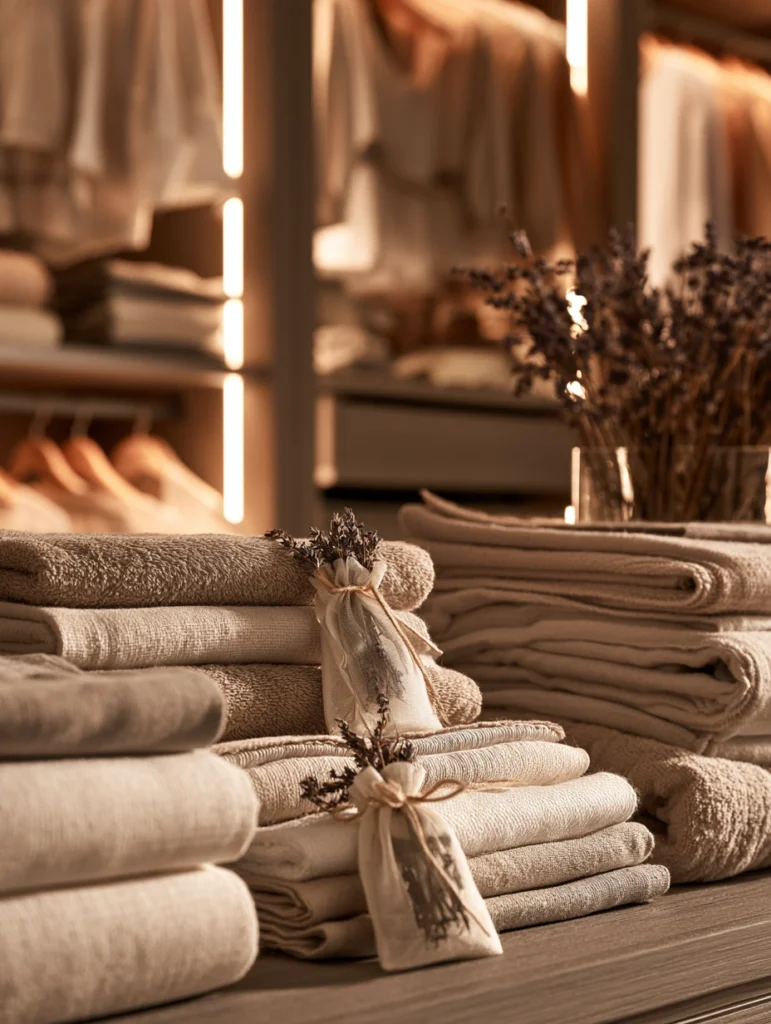
Closets often receive very little airflow, which can make them smell stale even when the clothes inside are clean. Start by removing dirty laundry and shoes that may be causing odors. Then add a subtle fragrance using dried lavender sachets, cedar, or potpourri. You can also create your own scented sachet using dried herbs or flowers. Carpet Cleaning Pilot likewise suggests potpourri or dried fragrant plant materials as a simple way to introduce gentle fragrance into closets. Keep the scent light because clothing and linens can absorb fragrance.
13. Add Fragrant Herbs and Plants
Plants add color and life to a home, while certain fragrant plants and herbs can also contribute pleasant aromas. Depending on your climate and indoor conditions, consider herbs or fragrant plants such as:
- Rosemary
- Mint
- Lavender
- Jasmine
A small collection of herbs near a sunny kitchen window can look beautiful while giving you fresh ingredients for cooking and simmer pots. One important distinction: houseplants should be appreciated primarily for their beauty and, in some cases, natural fragrance—not relied upon as a substitute for proper ventilation or an air purifier.
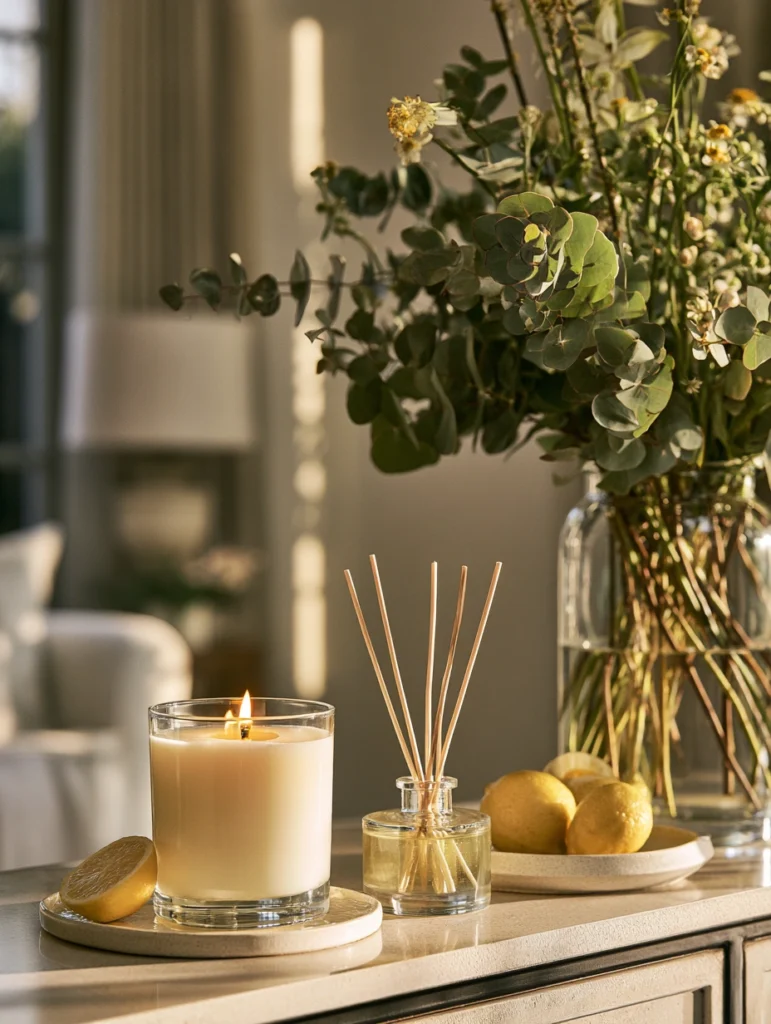
14. Create a Signature Scent for Your Home
Have you ever walked into a hotel or someone’s home and immediately associated a particular fragrance with that place? You can create the same effect at home. Choose two or three complementary notes and repeat them subtly throughout different rooms. For example:
Fresh combination: lemon + bergamot + eucalyptus
Cozy combination: vanilla + sandalwood + amber
Relaxing combination: lavender + jasmine + soft linen
Natural combination: rosemary + citrus + cedar
Avoid mixing too many unrelated fragrances. A consistent scent profile can make the entire house feel more intentional.And remember: subtle fragrance usually feels more sophisticated than an overwhelming cloud of perfume.
15. Create a 10-Minute Daily Fresh-Home Routine
The easiest way to keep your house smelling amazing is to prevent odors from accumulating. Try this quick daily routine:
- Open the windows when conditions allow.
- Make the beds.
- Put dirty clothes in the laundry basket.
- Hang damp towels so they dry properly.
- Empty food waste when necessary.
- Wipe kitchen counters and the sink.
- Vacuum or sweep high-traffic areas when needed.
- Finish with one subtle fragrance source.
You don’t need to deep-clean your entire home every day. A few small habits can prevent most everyday smells before they become noticeable. Then candles, flowers, diffusers, or simmer pots become the finishing touch rather than an attempt to hide an underlying odor.
How to Make Your House Smell Amazing Naturally
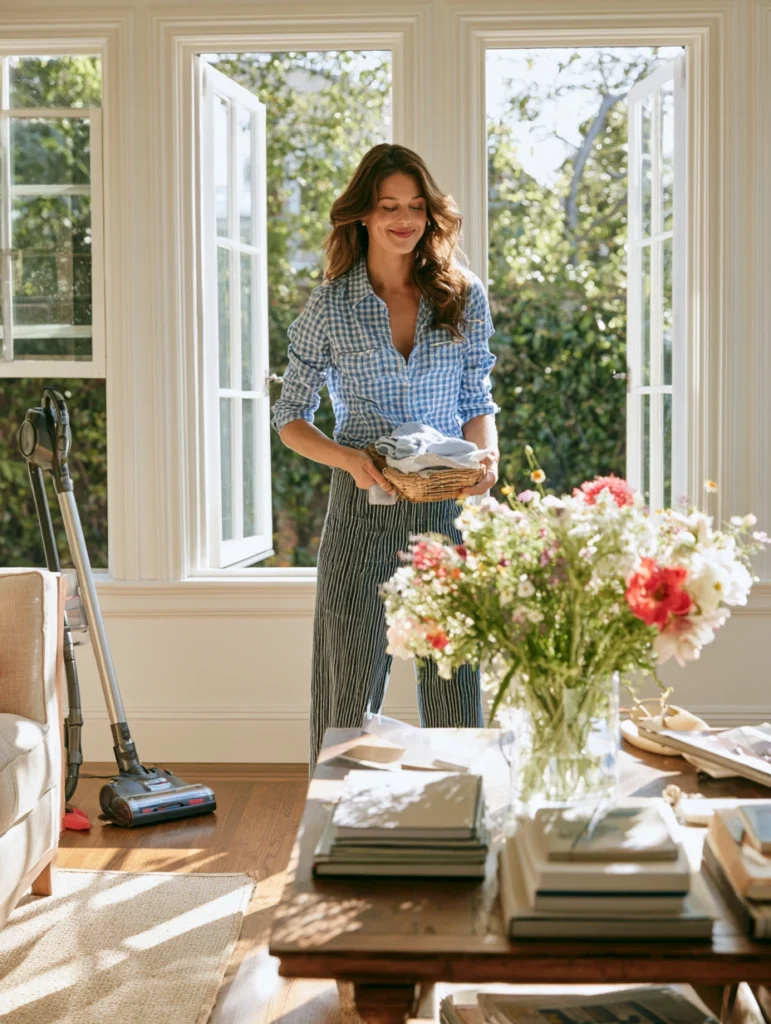
If you prefer a more natural approach, you don’t need dozens of scented products. Start with fresh air, clean fabrics, clean carpets, regular trash removal, and a clean kitchen. Then introduce fragrance through fresh flowers, herbs, citrus peels, simmer pots, or other lightly scented options. For example, lemon and rosemary create a crisp scent that works beautifully in spring and summer, while orange and cinnamon provide a warmer atmosphere during fall and winter. The key is balance. A genuinely clean home with a light natural fragrance usually smells more inviting than a room filled with several competing artificial scents.
Once your home smells fresh and inviting, why not give your backyard the same attention? Explore these 10 beautiful outdoor kitchen ideas for inspiration.
What Makes a House Smell Good for a Long Time?
Long-lasting freshness comes from consistency rather than one particular product. Pay particular attention to surfaces that absorb or produce odors: carpets, upholstered furniture, bedding, laundry, trash cans, refrigerators, sinks, pet areas, bathrooms, and shoes. Then use fragrance as the final layer . This approach is more effective than continuously spraying air freshener into a room where the actual source of an unpleasant smell hasn’t been addressed.
Best Scents for Different Rooms
Choosing fragrance according to the room can also make your home feel more intentional.
| Room | Scent Ideas |
|---|---|
| Living Room | Vanilla, amber, sandalwood, cedar |
| Bedroom | Lavender, linen, jasmine, bergamot |
| Kitchen | Lemon, orange, rosemary, mint |
| Bathroom | Eucalyptus, citrus, fresh linen |
| Entryway | Citrus, bergamot, light spices |
| Home Office | Rosemary, mint, ginger, bergamot |
Room-specific scent choices are also supported by recent fragrance guidance from Real Simple, which recommends matching scent profiles with how each space is used.
And if you love baking with pistachios, don’t miss these Pistachio Cream Cookies—soft, chewy, and filled with rich pistachio cream
Frequently Asked Questions
How can I make my house smell amazing all the time?
Focus first on eliminating odor sources. Regularly clean trash cans, kitchen surfaces, bathrooms, bedding, carpets, upholstery, laundry, and pet areas. Ventilate the home when possible, then use a subtle fragrance such as flowers, a reed diffuser, a simmer pot, or a candle.
How do I make my house smell good naturally?
Open windows, wash fabrics regularly, use baking soda where appropriate for odor management, keep fresh herbs or flowers, and make a simmer pot using ingredients such as citrus, rosemary, mint, or cinnamon.
How can I make my house smell good before guests arrive?
Start by taking out the trash and removing anything obviously causing an odor. Open windows, tidy the kitchen and bathroom, vacuum high-traffic areas, and replace damp towels. Then add one pleasant scent, such as a citrus simmer pot or a lightly scented candle. Cleaning experts recommend removing odor sources before relying on fragrance to freshen a room.
Why does my house smell bad even after cleaning?
The odor may be coming from a less obvious source such as carpet, upholstery, drains, trash cans, refrigerator spills, damp laundry, pet bedding, shoes, or excess moisture. Persistent musty, sewage-like, burning, or unexplained odors may indicate a maintenance problem rather than a fragrance problem and should be investigated.
What makes a house smell luxurious?
Luxury fragrances often combine complementary notes rather than one overpowering scent. Bergamot with woods, vanilla with sandalwood, or citrus with rosemary can create an elegant atmosphere. Keeping the underlying home exceptionally clean is still the most important step.
Final Thoughts
Learning how to make your house smell amazing isn’t really about buying the strongest candle or spraying air freshener everywhere.
The best-smelling homes usually combine cleanliness, fresh air, clean fabrics, good odor control, and subtle fragrance.
Start by removing the source of unwanted smells. Then experiment with fresh flowers, fragrant herbs, citrus simmer pots, candles, reed diffusers, or your own signature scent.
Once these simple habits become part of your routine, walking through the front door can feel like entering a clean, fresh, beautifully scented retreat every day.
Safety note: Never leave candles or simmering pots unattended. Use fragranced products and essential oils according to their instructions, particularly around children and pets, since some scented products or essential oils may not be appropriate for every household.