
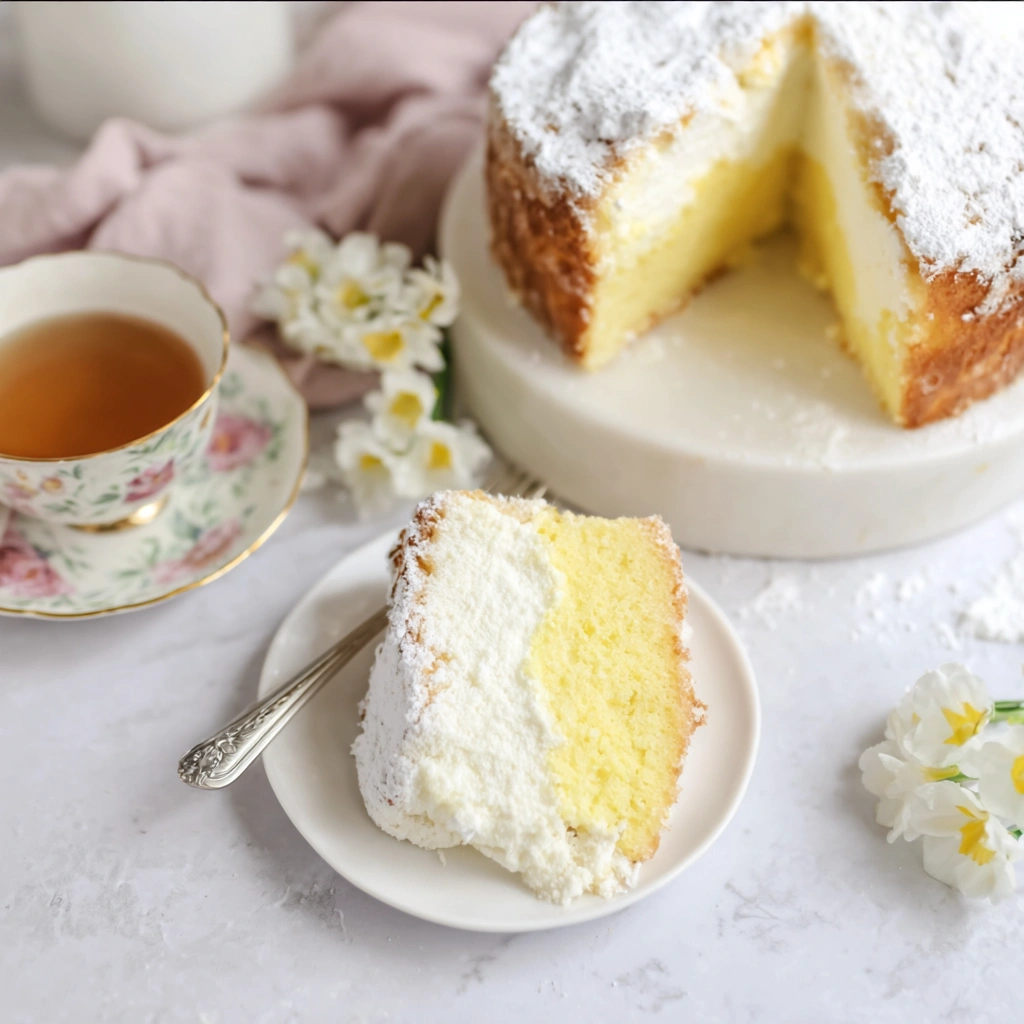
Spring desserts have always carried a special kind of charm, but few vintage cakes are as beautiful and nostalgic as the classic Daffodil Cake. Known as the “Easter Dinner Cake” during the 1930s, this light and airy dessert combines fluffy angel food batter with rich golden sponge cake batter to create a marbled masterpiece inspired by blooming daffodils. Originally featured in vintage American cookbooks like Better Homes and Gardens, this thrifty Depression-era recipe became popular because it cleverly used both egg whites and leftover yolks with zero waste.
Why You’ll Love This Vintage Daffodil Cake
- Light, airy, and incredibly soft texture
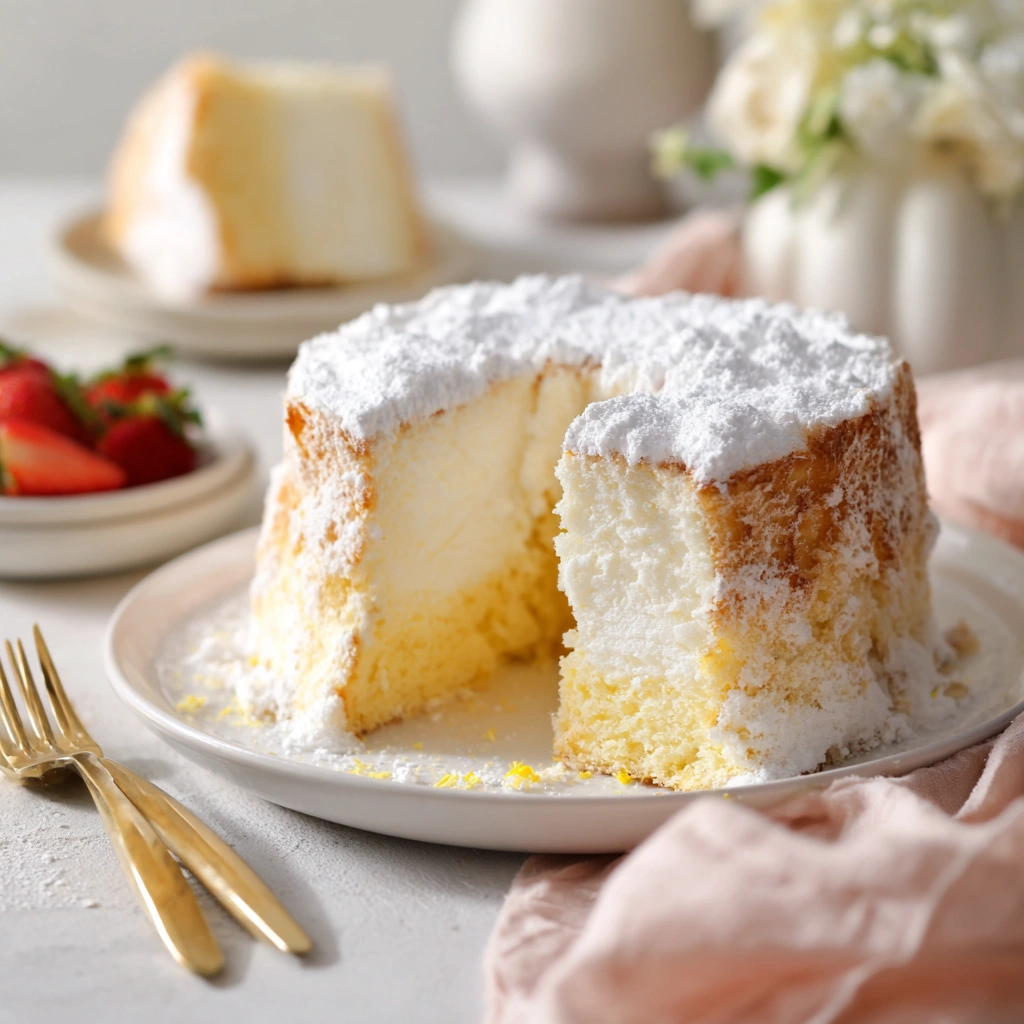
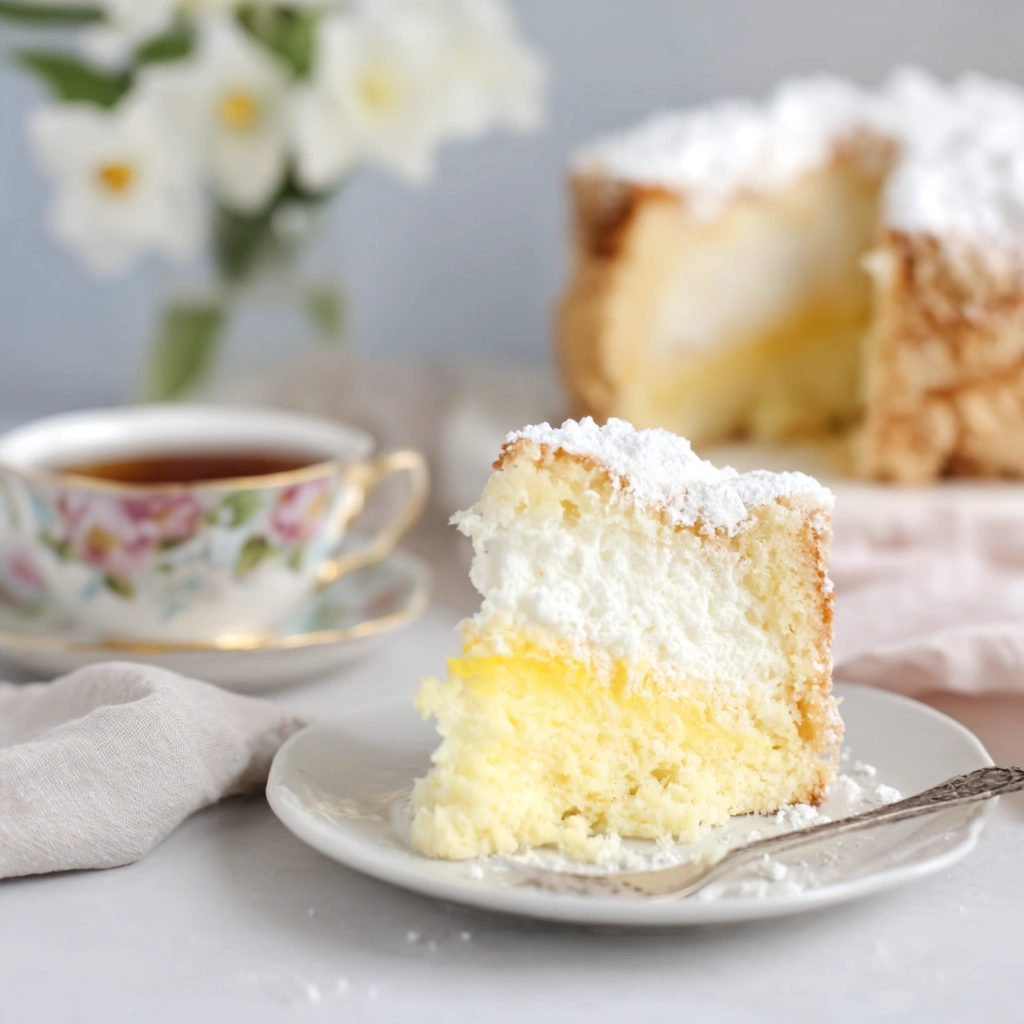
- Beautiful marbled yellow-and-white appearance
- Inspired by authentic 1930s recipes
- Uses whole eggs efficiently without waste
- Perfect centerpiece dessert for spring gatherings
- Delicious with berries, whipped cream, or citrus glaze
The History Behind Daffodil Cake
Daffodil Cake emerged during the Great Depression when home bakers needed creative ways to avoid wasting ingredients. Since angel food cake only required egg whites, resourceful cooks began incorporating the leftover yolks into a second batter. The result was a stunning two-tone cake resembling daffodil petals.
The cake became especially popular during Easter and spring celebrations throughout the 1930s and 1940s. Community cookbooks and church recipe collections helped preserve the tradition, passing it from generation to generation.
Daffodil Cake Ingredients
For the Angel Food Batter
- 1/2 cup cake flour
- 1/2 cup powdered sugar
- 6 egg whites, room temperature
- 1/2 teaspoon cream of tartar
- 1/2 teaspoon vanilla extract
- 1/8 teaspoon salt
- 1/2 cup granulated sugar
For the Yellow Sponge Batter
- 3/4 cup cake flour
- 3/4 teaspoon baking powder
- 6 egg yolks
- 2 tablespoons lemon juice
- 1 tablespoon cold water
- 1/2 cup granulated sugar
Optional Toppings
- Powdered sugar
- Fresh berries
- Whipped cream
- Lemon glaze
- Edible flowers
How to Make Daffodil Cake
Step 1: Prepare the Pan
Preheat your oven to 325°F (163°C). Use an ungreased tube pan or angel food cake pan. Do not grease the pan because the batter needs to cling to the sides while baking for maximum height.
Step 2: Make the Angel Food Batter
Sift together the cake flour and powdered sugar several times to keep the batter light. In a large mixing bowl, beat the egg whites until foamy. Add cream of tartar and salt, then continue beating until soft peaks form. Gradually add granulated sugar while beating until glossy medium-stiff peaks appear. Fold in the flour mixture gently, then add vanilla extract. The batter should remain airy and fluffy.
Step 3: Make the Yellow Sponge Batter
In another bowl, beat the egg yolks with sugar until pale yellow and thick. Add lemon juice and cold water. Sift together flour and baking powder, then gently fold into the yolk mixture. The yellow batter will be slightly thicker and richer than the white batter.
Step 4: Layer the Batters
Alternate spoonfuls of white angel food batter and yellow sponge batter into the tube pan. Do not overmix or swirl too aggressively. The beauty of Daffodil Cake comes from its natural marbled appearance.
Step 5: Bake
Bake for 40–50 minutes or until the top springs back lightly when touched. Immediately invert the pan upside down and allow the cake to cool completely before removing it. This prevents the delicate cake from collapsing.
Tips for the Best Daffodil Cake
Use Room Temperature Eggs
Room temperature egg whites whip better and create more volume.
Sift the Flour
Sifting is essential for achieving the signature airy texture.
Fold Gently
Avoid deflating the batter while mixing. Gentle folding keeps the cake tall and fluffy.
Never Grease the Pan
Angel food style cakes need traction to rise properly.
Cool Upside Down
This classic technique helps maintain the cake’s structure.
What Does Daffodil Cake Taste Like?
Daffodil Cake tastes like a cross between angel food cake and sponge cake. The white portion is feather-light and delicate, while the yellow batter adds richness and subtle citrus flavor. The result is soft, airy, lightly sweet, and perfect with tea or coffee.
Serving Ideas
This vintage spring cake pairs beautifully with:
- Fresh strawberries or raspberries
- Lemon curd
- Vanilla whipped cream
- Powdered sugar dusting
- Citrus glaze
- Floral tea blends
It’s especially stunning as an Easter dessert centerpiece.
Storage Tips
Store Daffodil Cake covered at room temperature for up to 2 days.
For longer storage:
- Refrigerate for up to 5 days
- Freeze slices individually for up to 2 months
Because the cake is naturally light, it stays soft surprisingly well.
Frequently Asked Questions
Why is it called Daffodil Cake?
The yellow-and-white marbled appearance resembles daffodil flowers blooming in spring.
Is Daffodil Cake the same as angel food cake?
Not exactly. Daffodil Cake combines angel food batter with a yolk-based sponge batter for added richness.
Can I make it ahead?
Yes. It tastes excellent the next day after the flavors settle.
Why must the pan stay ungreased?
The batter climbs the pan walls while baking. Greasing prevents proper rising.
Can I add citrus zest?
Absolutely. Lemon or orange zest enhances the vintage spring flavor beautifully.
Final Thoughts
Daffodil Cake is more than a dessert — it’s a piece of baking history. This cheerful 1930s cake showcases the creativity of home bakers who transformed simple pantry ingredients into something elegant and unforgettable. With its airy texture, golden swirls, and timeless charm, this vintage recipe deserves a place in every spring baking collection.