
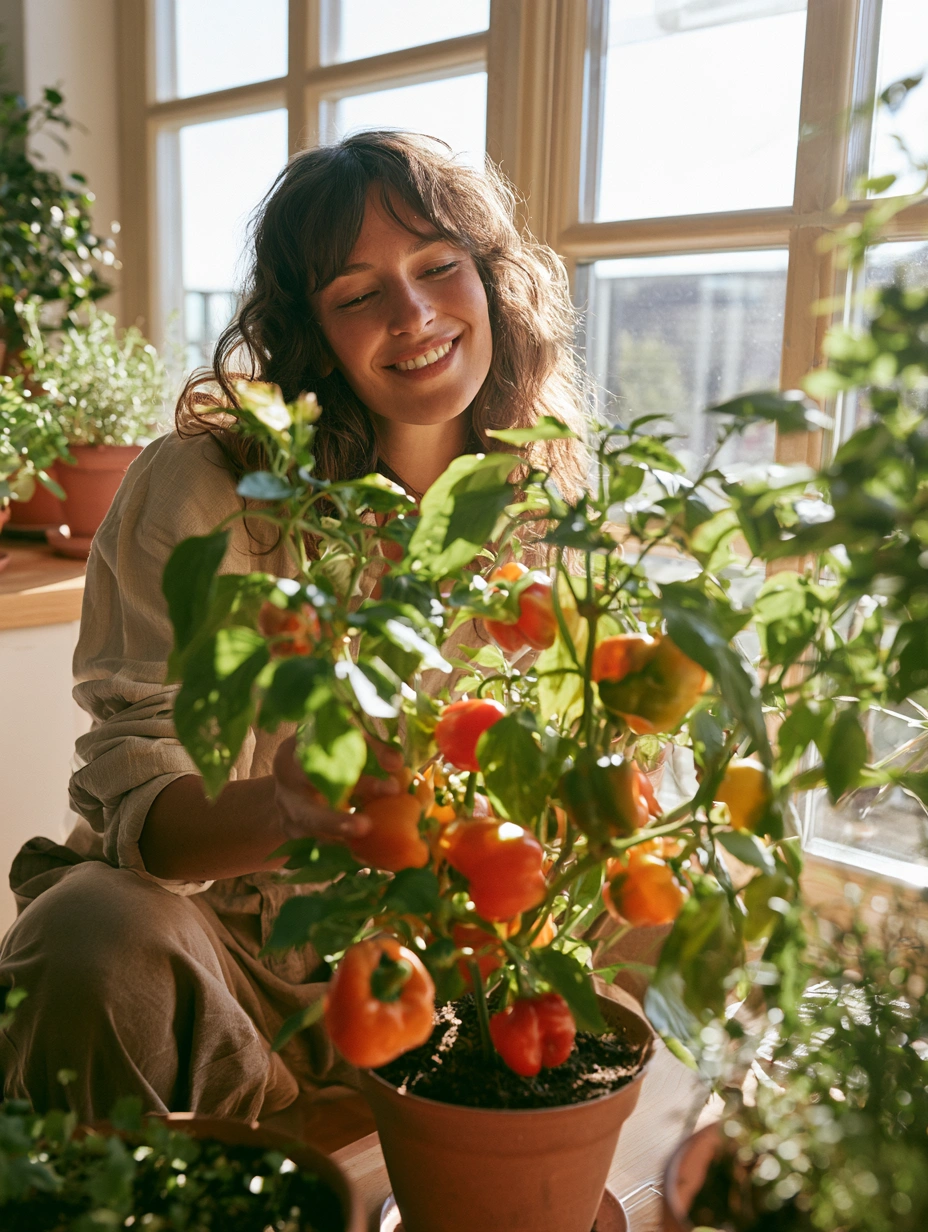
Learning how to grow bell peppers indoors is easier than you might think. With a sunny location, the right container, plenty of warmth, and a little patience, you can grow crisp, colorful bell peppers right inside your home—even if you don’t have a backyard or balcony. Bell peppers are warm-season plants that love bright light. Indoors, the biggest challenge is recreating the sunny conditions they would normally receive outside. Once you get the lighting, watering, temperature, and pollination right, an indoor pepper plant can become a surprisingly productive addition to your home garden.
Whether you want green, red, yellow, or orange peppers, this step-by-step guide explains how to grow bell peppers indoors from seeds or seedlings, how to care for the plants, and how to encourage them to produce fruit.
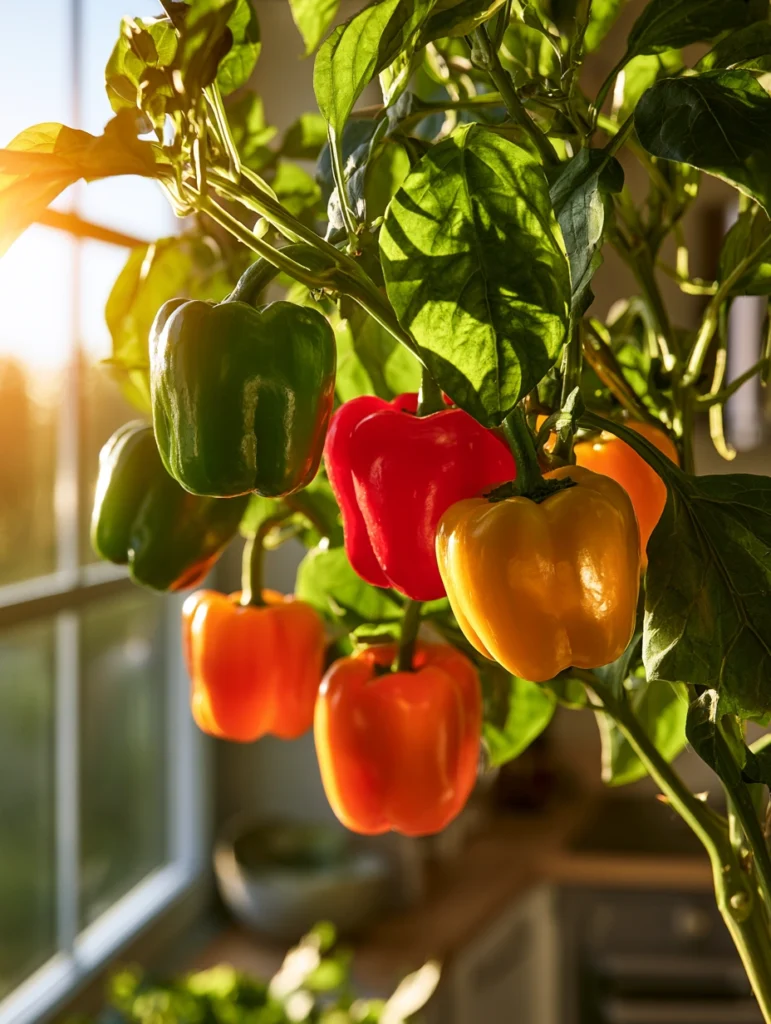
1. Choose the Best Bell Pepper Variety for Indoor Growing
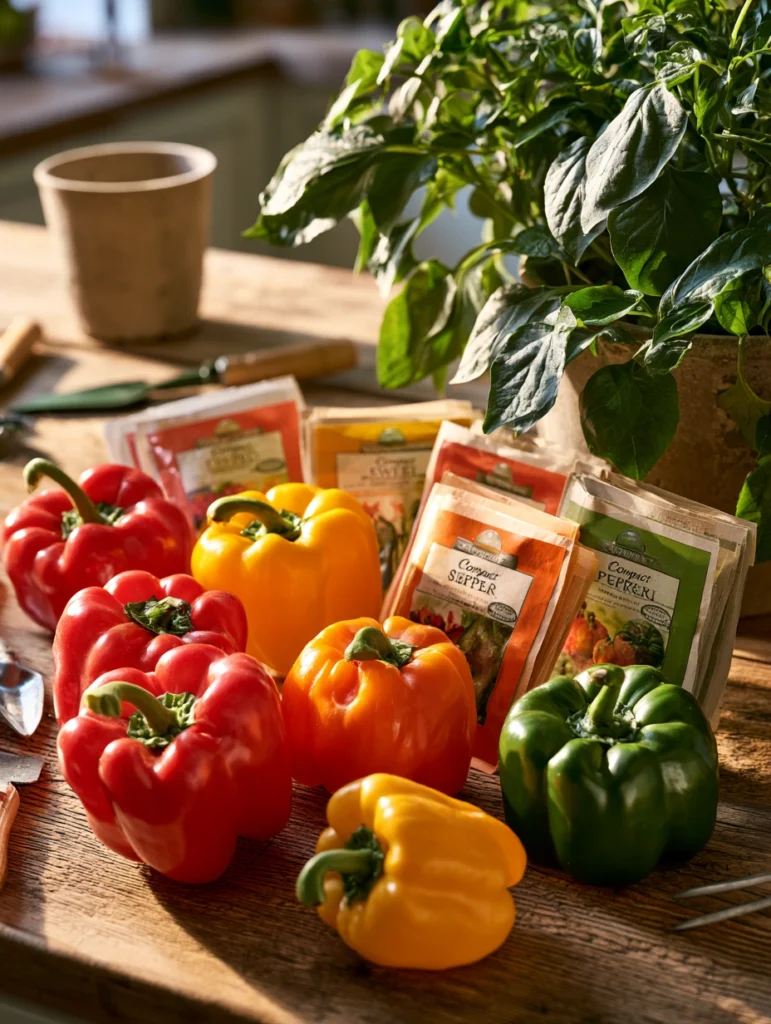
Your indoor pepper garden starts with choosing the right variety. Technically, you can grow many types of bell peppers indoors, but compact plants are usually easier to manage. Large outdoor varieties can become difficult to accommodate beneath grow lights or near windows.
Look for seed packets labeled:
- Compact
- Dwarf
- Patio
- Mini bell
- Container-friendly
Mini and compact sweet peppers are particularly useful for small indoor gardens because the plants and fruits require less space. You can still experiment with full-size bell peppers if you have enough room and strong lighting.
Green vs. Red Bell Peppers
Here’s something beginners sometimes don’t realize: many green bell peppers are simply peppers harvested before reaching their fully ripe color. Depending on the variety, a pepper may mature from green to red, yellow, orange, or another color. Leaving peppers on the plant longer allows them to develop their mature color and usually a sweeter flavor.
2. Choose a Large Pot With Good Drainage
Container size matters more than many first-time indoor gardeners expect. Bell peppers develop substantial root systems and need enough soil to support both foliage and fruit production. For a mature plant, a container around 3–5 gallons is a practical starting point. A pot roughly 12 inches or more deep provides useful root space. Most importantly, your container needs drainage holes. Without drainage, excess water stays around the roots and creates conditions that can contribute to root problems. Place a saucer underneath indoor pots to protect floors and furniture, but don’t leave the pot sitting in collected water. As a general rule, grow one mature bell pepper plant per container. This reduces competition for light, water, nutrients, and root space.
3. Use the Right Soil
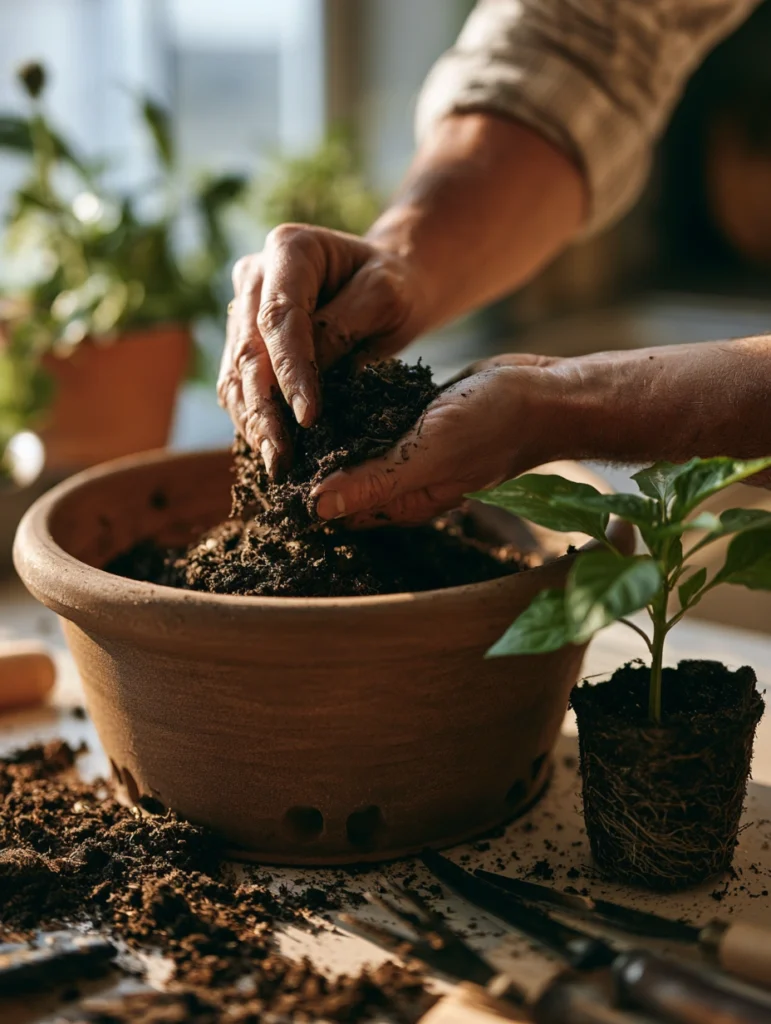
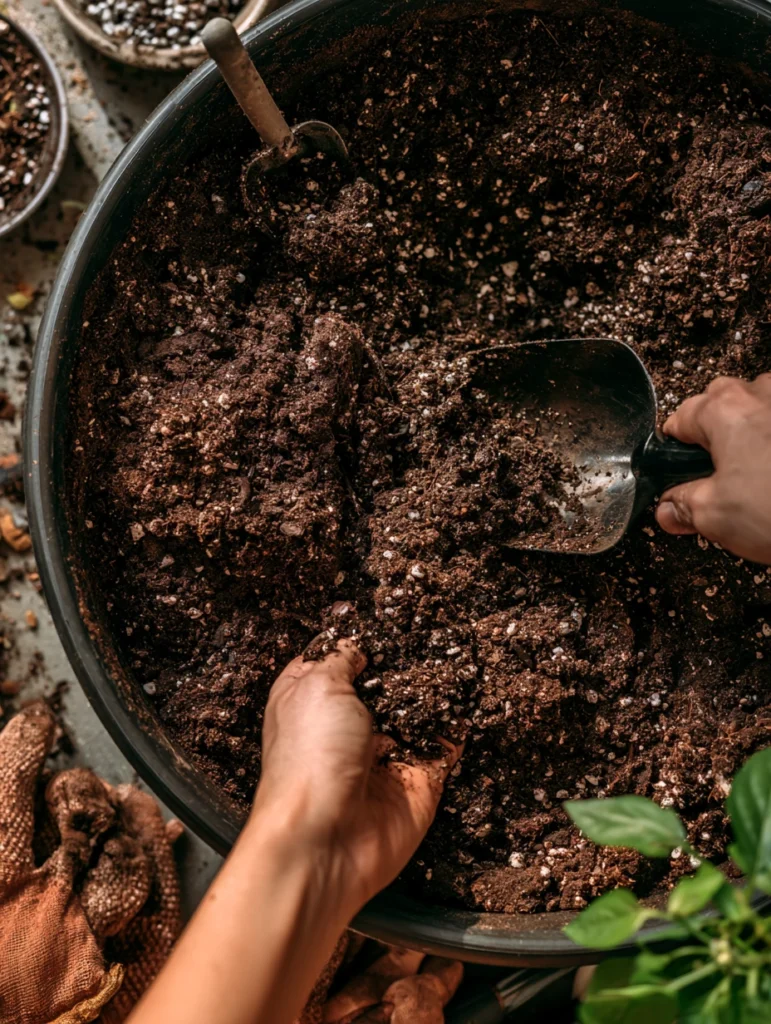
Avoid filling indoor containers with ordinary soil taken directly from your garden. Garden soil can become compacted inside containers and may drain poorly. Instead, choose a lightweight, high-quality potting mix designed for container plants. Bell peppers prefer soil that retains enough moisture for the roots while still allowing excess water to drain away.
A quality potting mix may contain ingredients such as:
- Coco coir or peat
- Perlite
- Compost
- Other lightweight organic materials
Adding perlite can improve aeration and drainage if your potting mix feels particularly dense. The goal is simple: moist roots, but never constantly waterlogged roots.
4. Start Bell Peppers From Seeds or Seedlings
You have two main choices when learning how to grow bell peppers indoors: start from seeds or purchase young plants.
Growing Bell Peppers From Seeds
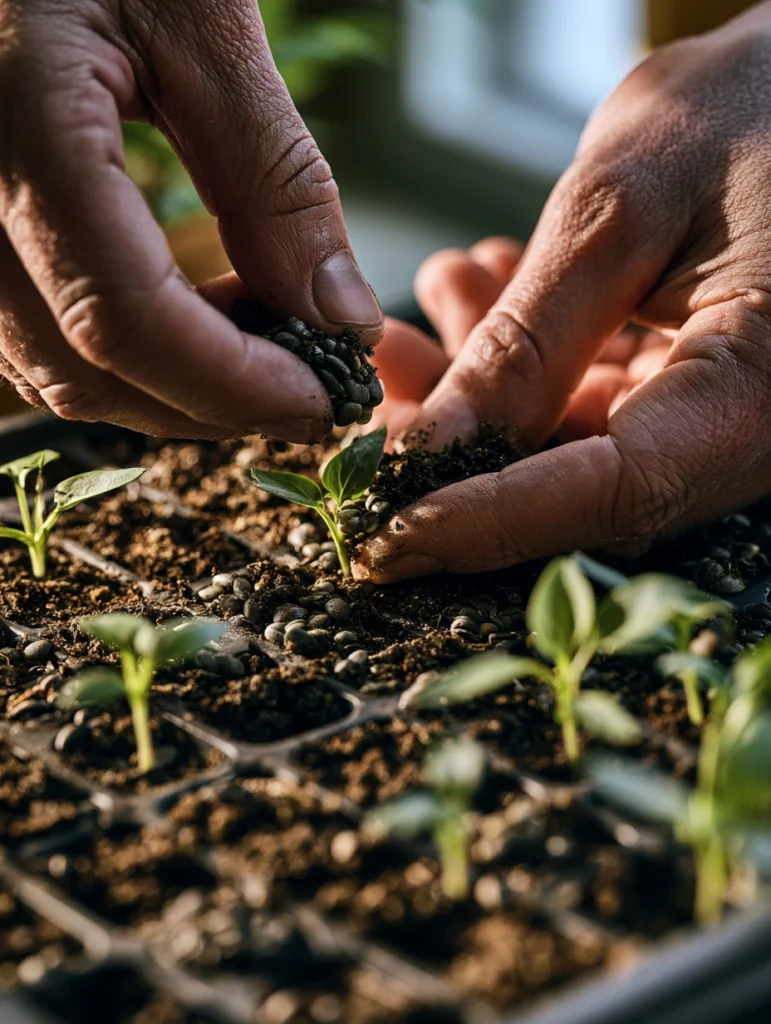
Fill small seed-starting containers with moist seed-starting mix. Plant pepper seeds approximately 1/4 inch deep, lightly cover them with soil, and keep the growing medium consistently moist but not saturated. Pepper seeds germinate best in warm conditions. A seedling heat mat can be helpful if your home is cool. Germination commonly takes roughly one to three weeks, although temperature, seed freshness, and variety can affect the timing. Once seedlings emerge, immediately give them strong light. When the plants develop several true leaves and become established, gradually transplant them into larger containers.
Starting With Seedlings
Buying seedlings is the faster option. Carefully remove the plant from its nursery pot without unnecessarily disturbing the root system. Place it in your prepared container at approximately the same depth it was growing previously. Fill around the root ball with potting mix and water thoroughly.
5. Give Bell Peppers Plenty of Light
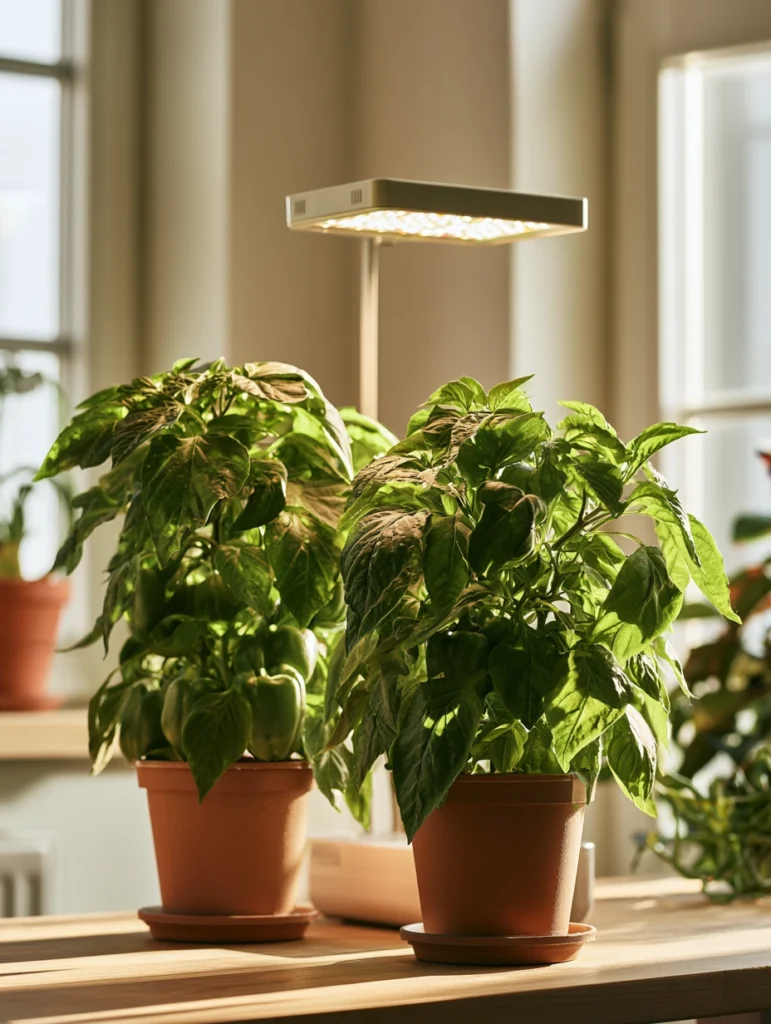
If there’s one factor that can determine whether your indoor pepper experiment succeeds or fails, it’s light. Bell peppers are not low-light houseplants. A bright south-facing window can provide valuable sunlight, but indoor window light is often insufficient for strong flowering and fruit production, particularly during winter. For reliable results, consider using a full-spectrum LED grow light. Aim for approximately 12–16 hours of supplemental light per day, depending on the strength of your setup and available natural light. A timer makes this much easier. Keep the grow light an appropriate distance above the plant according to the manufacturer’s instructions, and adjust its height as the pepper plant grows. If your plant develops long, thin stems and seems to stretch toward the light, it may be telling you that it needs stronger illumination.
6. Keep Your Indoor Peppers Warm
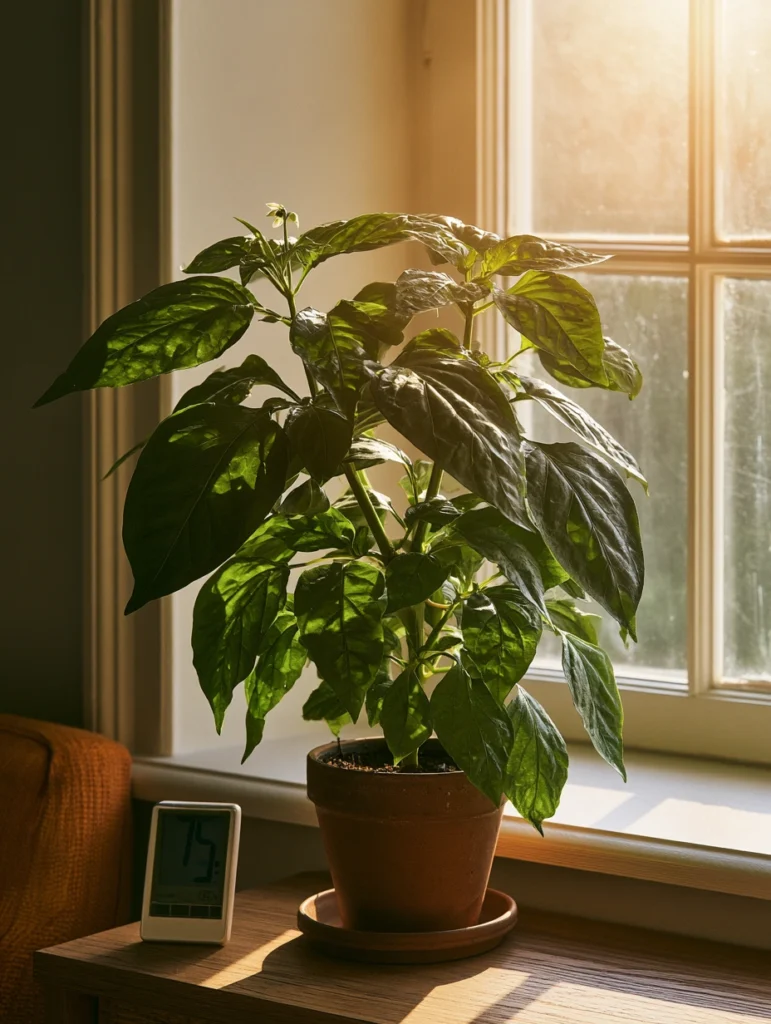
Bell peppers love warmth. Aim for approximately 70–85°F (21–29°C) during active growth, with somewhat cooler temperatures at night. Avoid placing your pepper plants directly beside:
- Cold winter windows
- Air-conditioning vents
- Frequently opened exterior doors
- Strong drafts
Cold conditions can slow plant growth and interfere with flowering and fruit development. Seedlings are especially sensitive to cool temperatures. If your indoor growing area stays chilly, a seedling heat mat can help during germination and early growth. Consistent warmth is generally better than dramatic temperature fluctuations.
7. Water Bell Pepper Plants Correctly
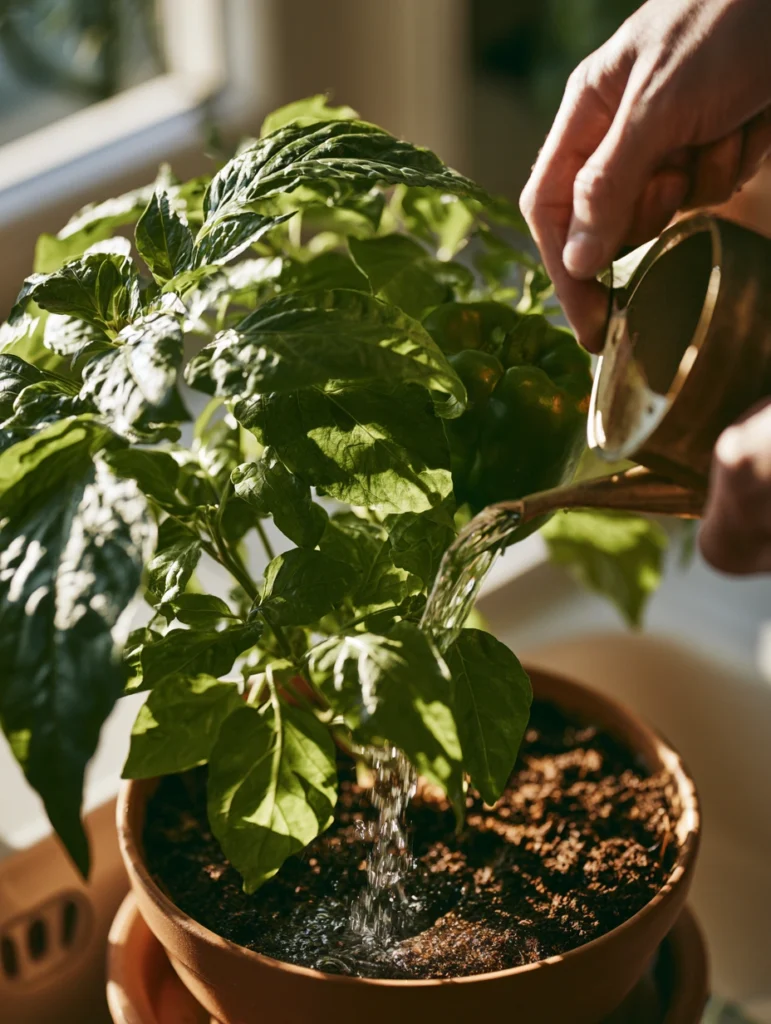
Overwatering is one of the easiest mistakes to make when growing vegetables indoors. Rather than watering according to a rigid calendar, check the soil. Insert your finger about an inch into the potting mix. If the surface layer feels dry, the plant may be ready for water. Water thoroughly until some excess moisture begins draining from the bottom of the container. Then empty any standing water from the saucer. Try to maintain relatively consistent moisture. Repeatedly allowing the soil to become extremely dry and then soaking it can stress the plant. Remember that indoor watering frequency changes according to:
- Container size
- Plant size
- Room temperature
- Humidity
- Amount of sunlight
- Potting mix
Your plant—not the calendar—should determine when you water.
8. Fertilize for Healthy Growth and More Peppers
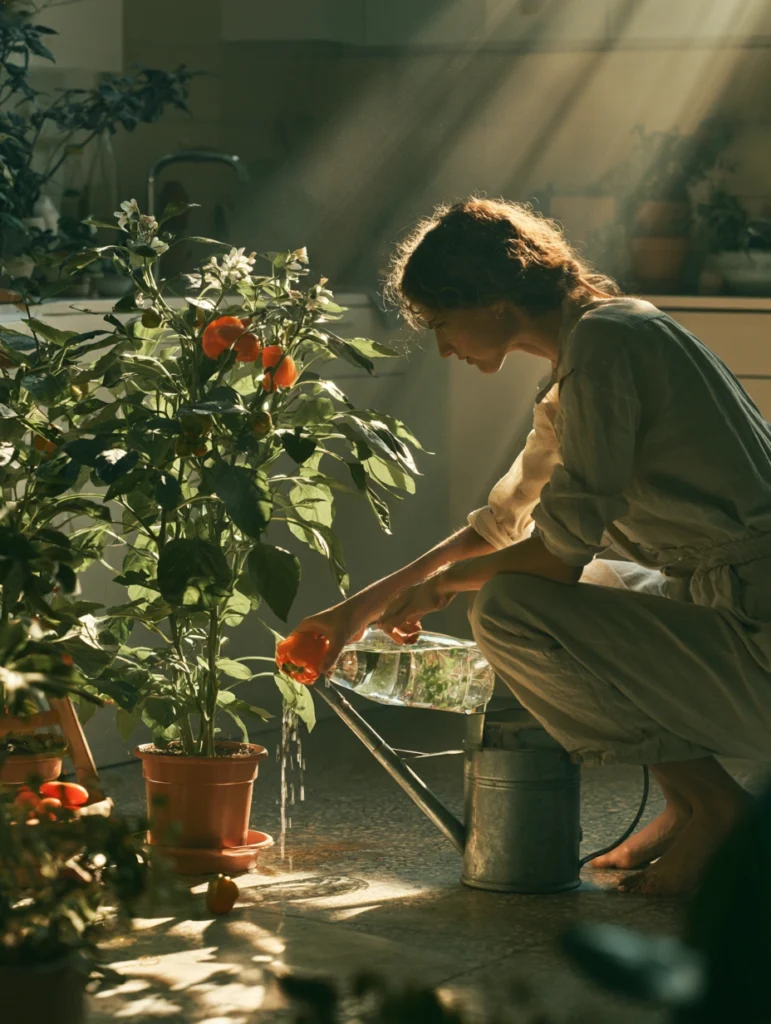
Container plants have access to a limited amount of soil, so nutrients eventually need to be replenished. Start with a balanced fertilizer suitable for vegetables or container plants, following the product’s instructions carefully. Avoid assuming that more fertilizer means more peppers. Too much nitrogen can encourage vigorous leafy growth at the expense of flowering and fruit production. Once flowering begins, use a fertilizer formulated appropriately for fruiting vegetables rather than continually pushing leafy growth. The exact feeding schedule depends on the fertilizer you use, so always follow its label rather than applying a universal amount.
9. Hand-Pollinate the Flowers
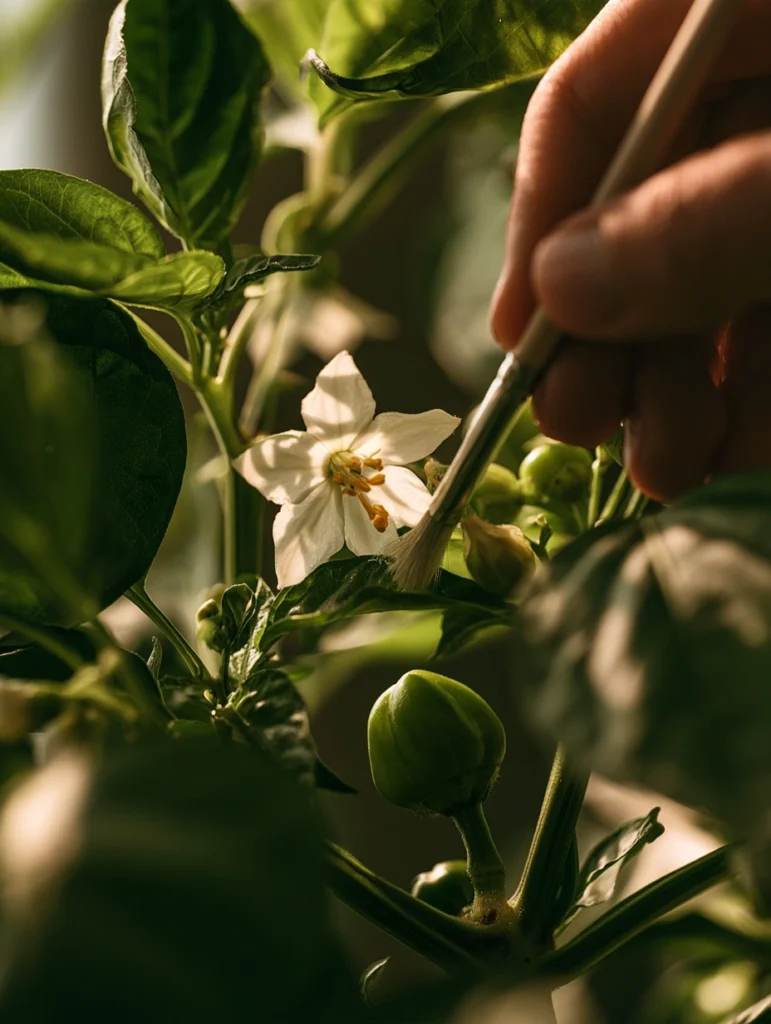
Your plant is healthy. It has beautiful flowers. But no peppers appear. What’s happening? Pollination may be the missing step. Bell pepper flowers are self-pollinating, meaning each flower contains the structures needed for pollination. Outdoors, however, wind and insects help move the pollen. Inside your home, there’s much less movement. Fortunately, helping your pepper plant is easy. When flowers are open, you can:
- Gently shake the flowering branches.
- Lightly tap the flowers.
- Use a small soft paintbrush to move pollen within the flowers.
- Run a gentle fan nearby to create mild airflow.
Repeat the process while the plant is actively flowering. After successful pollination, you’ll eventually notice a tiny green pepper beginning to develop behind the flower. This is one of the most satisfying moments of growing bell peppers indoors.
10. Support the Plant as Peppers Develop
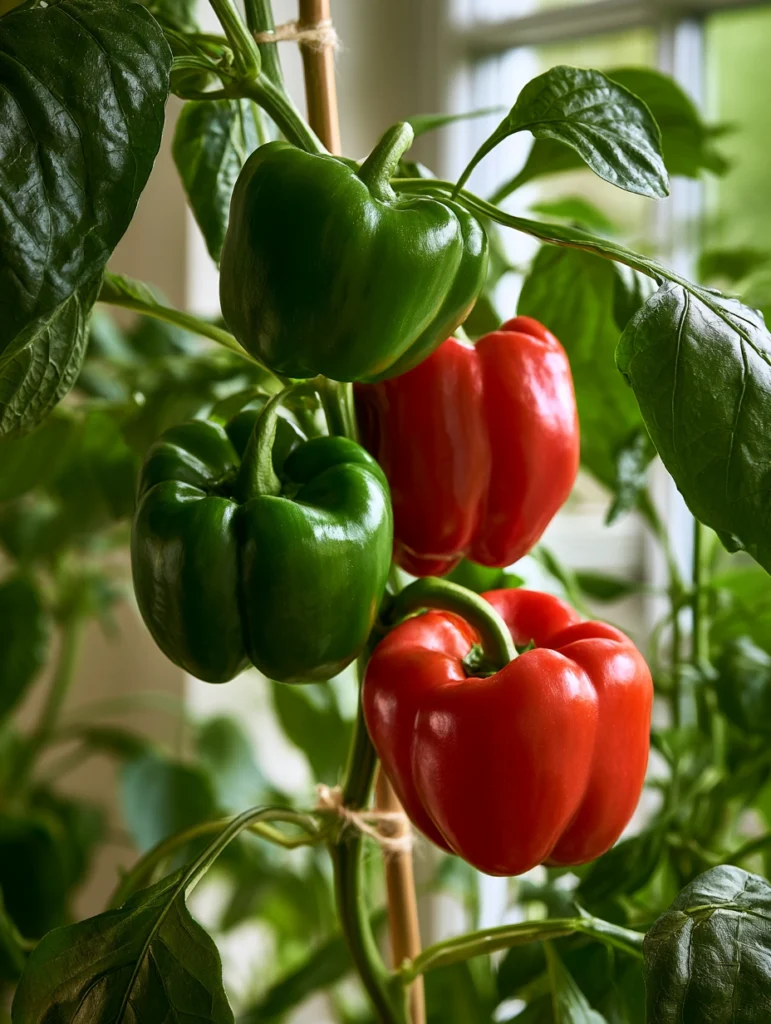
Bell pepper plants may eventually need physical support. A plant carrying several large fruits can become top-heavy, especially indoors where stems may not grow quite as strongly as plants exposed to outdoor wind. Use a:
- Small bamboo stake
- Plant support
- Compact tomato cage
Secure stems loosely with soft plant ties. You can also remove yellow or damaged leaves to maintain a clean plant. Avoid aggressive pruning unless necessary. The leaves are important because they capture the light that fuels fruit development.
Want to expand your gardening space without spending too much? Discover these 12 budget-friendly DIY garden projects for simple and creative ways to transform your indoor or outdoor growing area.
When Can You Harvest Indoor Bell Peppers?
One of the best parts of learning how to grow bell peppers indoors is watching tiny fruits slowly transform into full-size peppers. Bell peppers can be harvested while they’re still green or allowed to mature to their final color. If you prefer a crisp, less sweet pepper, harvest once the green fruit reaches a usable size. For sweeter peppers, allow them to remain on the plant until they develop their mature red, yellow, orange, or other expected color. Use clean scissors or pruning shears rather than pulling peppers forcefully from the plant. Cutting them helps avoid accidentally damaging branches. Don’t worry if your first indoor harvest is smaller than what you’d expect from an outdoor garden. Large bell peppers demand significant light and energy, so indoor plants may produce fewer fruits.
If you love growing fresh produce inside your home, explore these 15 amazing indoor herb garden ideas for creative ways to grow basil, mint, rosemary, parsley, and more alongside your pepper plants.
Common Problems When Growing Bell Peppers Indoors
Even with excellent care, indoor peppers can occasionally struggle.
Here’s what your plant may be trying to tell you.
Pepper Plant Is Tall and Thin
The most likely issue is inadequate light. Move the plant to a brighter location or improve your grow-light setup.
Flowers Keep Falling Off
Flower drop can be associated with environmental stress. Check:
- Light intensity
- Temperature
- Watering consistency
- Pollination
- Fertilizer use
Don’t immediately add more fertilizer. First make sure the plant’s basic growing conditions are correct.
Leaves Are Turning Yellow
Yellow leaves can have several causes, including excessive watering, poor drainage, nutrient problems, or insufficient light. Check the soil moisture and drainage first.
Plant Flowers but Doesn’t Produce Peppers
Try hand-pollinating the flowers and adding gentle airflow. Insufficient light can also prevent good fruit production.
Indoor Pepper Pests
Being indoors doesn’t make pepper plants completely pest-proof. Watch for common pests such as aphids, spider mites, and whiteflies. Inspect both sides of the leaves regularly. Finding a pest problem early makes it much easier to manage.
Once your indoor garden is thriving, make the rest of your space just as inviting with these easy tips on how to make your house smell amazing using fresh, cozy, and naturally inspired ideas.
Quick How to Grow Bell Peppers Indoors Guide
| Requirement | Best Indoor Conditions |
|---|---|
| Container | Approximately 3–5 gallons for mature plants |
| Drainage | Essential |
| Soil | Lightweight, well-draining potting mix |
| Light | Very bright light; grow lights often needed |
| Grow Light | Roughly 12–16 hours daily |
| Temperature | Approximately 70–85°F (21–29°C) during active growth |
| Water | Water when the upper soil begins drying |
| Fertilizer | Vegetable/container fertilizer according to label |
| Pollination | Gently shake flowers or hand-pollinate |
| Support | Stake if branches become heavy |
| Harvest | Green or fully colored |
How to Grow Bell Peppers Indoors Successfully: 7 Extra Tips
Once you’ve mastered the basics, these small adjustments can make indoor growing easier.
1. Grow one plant per large pot. Giving each pepper its own root space makes watering and feeding easier to manage.
2. Use a timer for your grow light. Consistency is more important than remembering to switch your light on manually every morning.
3. Rotate plants near windows. This encourages more balanced growth instead of having the entire plant lean toward one direction.
4. Keep leaves close enough to your grow light. Light intensity decreases as the plant moves farther from the source, so adjust the fixture as your pepper grows.
5. Don’t overfeed. A giant green plant isn’t necessarily a productive pepper plant.
6. Encourage gentle airflow. A small fan can imitate some of the air movement plants experience outdoors while also helping flowers move.
7. Be patient. Bell peppers aren’t one of the fastest indoor vegetables. The reward comes when those first tiny fruits finally appear.
FAQs About How to Grow Bell Peppers Indoors
Can you really grow bell peppers indoors?
Yes. Bell peppers can grow and produce fruit indoors when provided with strong light, warm temperatures, suitable containers, consistent watering, nutrients, and adequate pollination.
The most common limiting factor is light. A bright window may support growth, but a good grow light can significantly improve the conditions for flowering and fruit production.
Can you grow bell peppers indoors all year?
Potentially, yes.
Because you control the indoor environment, peppers aren’t restricted by outdoor frost dates in the same way garden plants are.
However, maintaining productive plants through winter usually requires supplemental lighting and consistently warm temperatures.
Do bell peppers need direct sunlight indoors?
Bell peppers are high-light plants. A very sunny window can help, but window light alone may not provide enough intensity or duration throughout the year.
Supplemental grow lights are therefore extremely useful for indoor peppers.
Do indoor bell peppers need to be pollinated?
Bell pepper flowers are self-pollinating, but some movement is still helpful.
Outdoors, wind and insects provide that movement naturally. Indoors, gently shaking flowers, using a soft brush, or creating light airflow can improve pollination.
How often should I water indoor bell peppers?
There isn’t one perfect schedule.
Instead, check the soil regularly and water when the upper layer begins to feel dry. Water thoroughly and allow excess water to drain from the container.
How long does it take to grow bell peppers indoors?
The timeline varies considerably depending on the variety and whether you begin with seeds or established seedlings.
Growing from seed requires germination, seedling development, vegetative growth, flowering, pollination, and finally fruit maturation. Expect the process to take several months rather than several weeks.
Starting with a nursery seedling can shorten the wait.
Can I grow bell peppers indoors without grow lights?
It’s possible if you have an exceptionally sunny location, particularly a bright south-facing window.
However, producing large bell peppers requires substantial light. If your plant becomes thin, stretches toward the window, flowers poorly, or fails to produce fruit, supplemental lighting is one of the first improvements to consider.
How many bell pepper plants can I grow in one pot?
For mature indoor plants, one bell pepper plant per appropriately sized pot is generally the easiest arrangement.
Giving each plant its own container reduces competition and makes watering, feeding, and positioning beneath grow lights easier.
Final Thoughts About How to Grow Bell Peppers Indoors
Learning how to grow bell peppers indoors comes down to recreating the conditions these sun-loving plants enjoy outside.
Start with a compact variety and a roomy container filled with well-draining potting mix. Give your pepper plant plenty of strong light, keep it comfortably warm, water according to the soil rather than a rigid schedule, and provide nutrients as the plant grows.
Then remember the step indoor gardeners often overlook: help those flowers pollinate.
A gentle shake, small brush, or mild airflow can help transform delicate white flowers into the tiny peppers you’ve been waiting for.
It may take patience, especially when growing bell peppers from seed, but seeing your first colorful pepper ripen inside your own home makes the wait worthwhile.
And once you’ve successfully grown one pepper plant indoors, you may find yourself wondering what vegetable you should grow next.
How to Grow Bell Peppers Indoors , How to Grow Bell Peppers Indoors , How to Grow Bell Peppers Indoors , How to Grow Bell Peppers Indoors